
In the realm of responsible pet ownership, understanding the fundamentals of pet nutrition is paramount. A well-balanced diet is not merely a choice, but a crucial aspect of ensuring the health and well-being of our beloved animal companions.
This article aims to provide essential insights into pet nutrition pet food, offering guidance on key nutrients, common dietary pitfalls to avoid, and practical tips for crafting a nourishing diet tailored to the unique needs of our furry friends.
Importance of Pet Nutrition
Consistently prioritizing proper nutrition is crucial for maintaining the health and well-being of pets. Just like humans pet food shop near me, pets require a balanced diet to thrive and live a long, healthy life. Providing your furry companion with high-quality and nutritious food is essential for supporting their overall health, energy levels, and immune system. A well-rounded diet ensures that your pet receives the necessary vitamins, minerals, proteins, fats, and carbohydrates needed for optimal functioning.
When choosing pet food, it is important to select options that are tailored to your pet’s specific needs, such as age, size, breed, and any existing health conditions. Avoiding excessive treats and table scraps is also key to preventing obesity and related health issues in pets. Additionally, proper hydration is fundamental for supporting your pet’s bodily functions and preventing dehydration.
Essential Nutrients for Pets
Prioritizing the intake of essential nutrients is paramount for maintaining the health and well-being of pets. Just like humans, pets require a balanced diet to thrive. Essential nutrients are crucial for various bodily functions, including energy production, immune system support, and overall growth and development. These nutrients can be categorized into six main groups: proteins, carbohydrates, fats, vitamins, minerals, and water.
Proteins are essential for building and repairing tissues, while carbohydrates provide a source of energy. Fats are important for maintaining healthy skin and coat, as well as aiding in nutrient absorption. Vitamins play a vital role in supporting various metabolic reactions, and minerals are necessary for bone health and other physiological processes.
Ensuring that your pet receives the right balance of these nutrients is key to promoting their longevity and quality of life. Consulting with a veterinarian or a pet nutritionist can help you create a diet plan tailored to your pet’s specific needs. Remember, providing your pet with a nutritionally balanced diet is a foundational step in caring for their overall health and well-being.
Common Dietary Mistakes to Avoid
Transitioning from focusing on essential nutrients for pets, understanding common dietary mistakes to avoid is crucial for maintaining optimal pet health and well-being. One common mistake is overfeeding. Providing excessive food can lead to obesity, causing numerous health issues such as diabetes, joint problems, and a shortened lifespan.
On the flip side, underfeeding is another mistake to steer clear of. Not giving your pet enough food can result in malnutrition, weakness, and a lack of energy. Additionally, offering the wrong types of food is a prevalent error. Pets have specific dietary requirements, and feeding them inappropriate items like chocolate, onions, or grapes can be toxic and even fatal.
Inadequate hydration is often overlooked but vital; pets need access to fresh water at all times. Finally, inconsistency in feeding schedules can disrupt their digestive system and overall well-being. By being mindful of these common dietary mistakes, pet owners can ensure their furry companions lead healthy and happy lives.
Tips for Creating a Balanced Diet
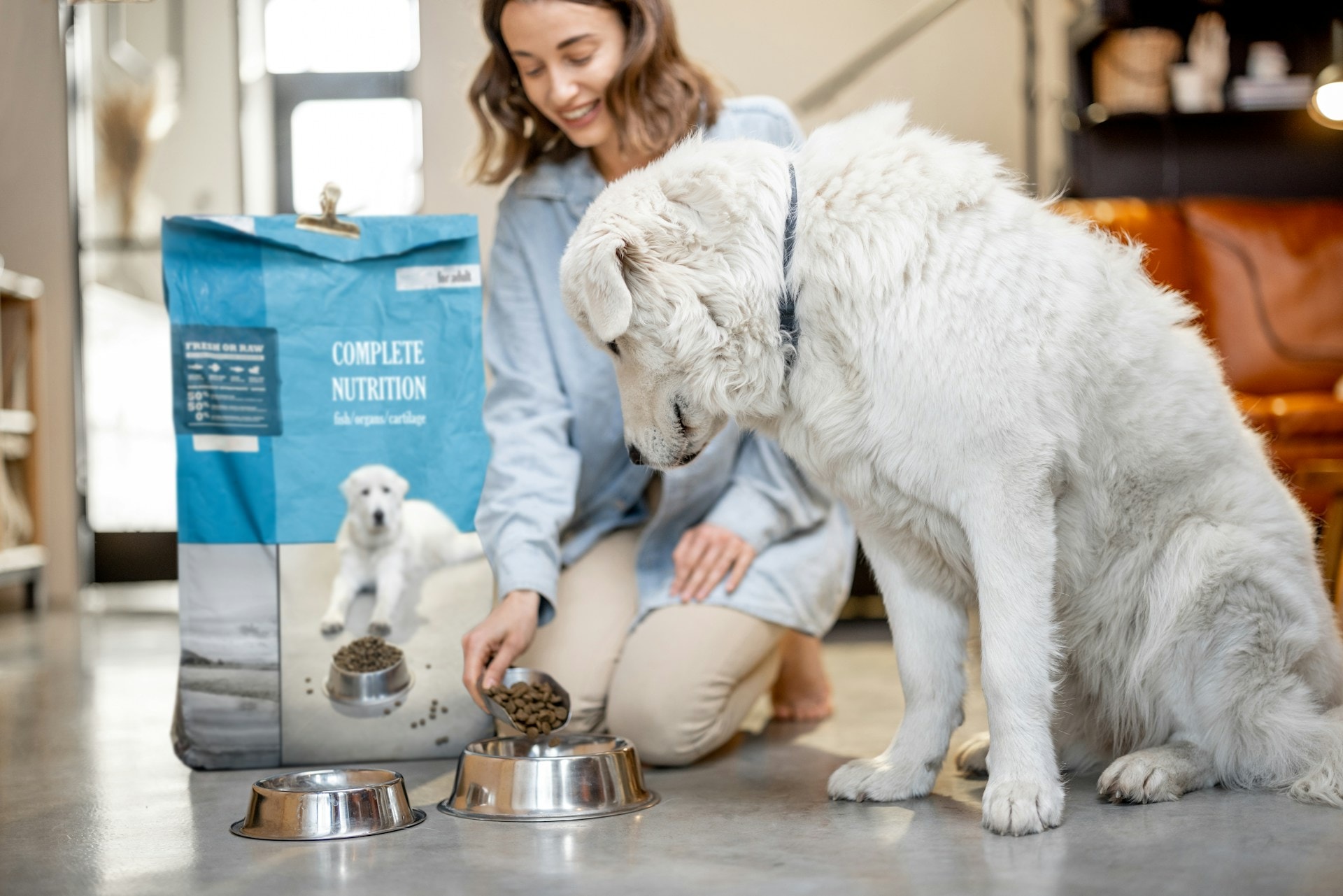
To ensure optimal pet health and well-being, pet owners should focus on providing a balanced diet that meets their pets’ specific dietary requirements. When creating a balanced diet for your pet, consider consulting with a veterinarian or a pet nutritionist to determine the appropriate mix of proteins, carbohydrates, fats, vitamins, and minerals. Aim to include high-quality protein sources like meat, fish, or poultry, as well as carbohydrates from sources like grains, fruits, and vegetables. Incorporating essential fatty acids from sources like fish oil can also support your pet’s skin, coat, and overall health.
It’s important to avoid overfeeding or underfeeding your pet, as both can lead to health issues. Follow feeding guidelines based on your pet’s age, weight, activity level, and any specific health concerns. Additionally, make sure your pet has access to fresh water at all times. Monitoring your pet’s weight and overall condition can help you adjust their diet as needed to maintain a healthy balance. By prioritizing a balanced diet tailored to your pet’s individual needs, you can help them live a long, healthy, and happy life.
Special Considerations for Pet Nutrition
When addressing special considerations for pet nutrition, it is crucial to tailor the diet to address any specific health concerns or dietary restrictions your pet may have. Just like humans, pets can have unique dietary needs based on factors such as age, breed, activity level, and existing health conditions.
For example, senior pets may require diets with lower calories to prevent weight gain, while pets with allergies may need special hypoallergenic food options. It is essential to consult with a veterinarian to determine the best course of action for your pet’s nutrition, especially if your pet has a chronic illness or specific dietary requirements.
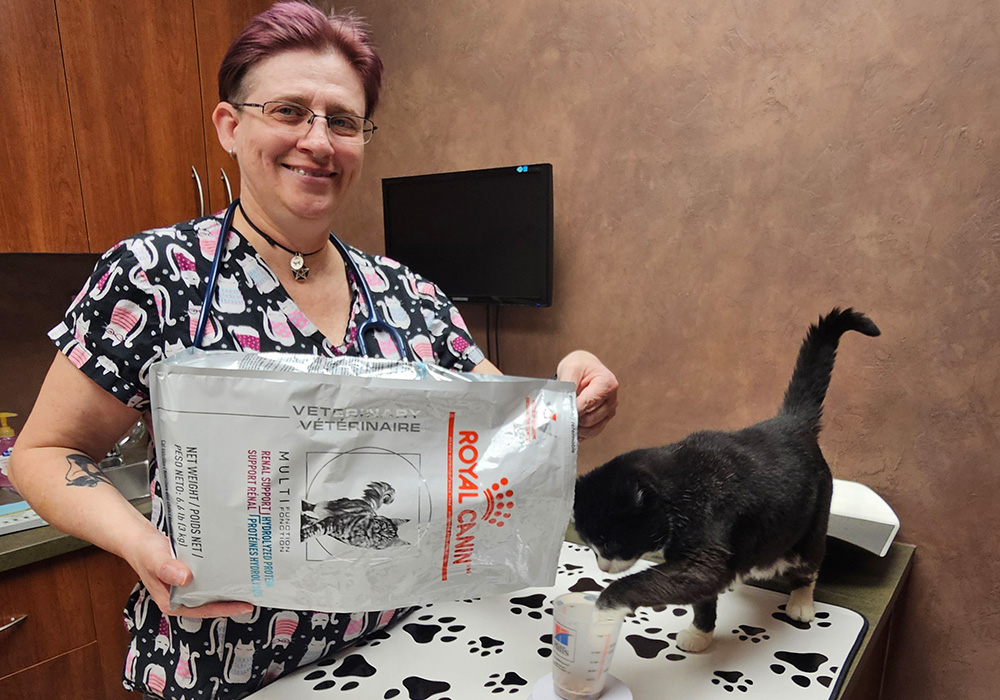
Additionally, some pets may benefit from specialized diets that cater to conditions such as kidney disease, diabetes, or obesity. These diets are formulated to provide the necessary nutrients while managing the underlying health issue. Remember, proper nutrition is key to your pet’s overall well-being, so investing time and effort in understanding your pet’s unique nutritional needs is a crucial aspect of responsible pet ownership.
Conclusion
In conclusion, understanding the importance of pet nutrition and providing essential nutrients is crucial for the health and well-being of pets. By avoiding common dietary mistakes and creating a balanced diet, pet owners can ensure their pets receive the necessary nutrients for optimal health.
Special considerations, such as age, breed, and health conditions, should also be taken into account when planning a pet’s diet. Overall, proper nutrition plays a vital role in promoting a happy and healthy life for pets.
…


